(2年前の下書きが発掘されたためそのまま投稿しています)
引っ越しに同棲にと、自分の身の回りの環境が急激に変わった年だったので、昔買って使ってなかったものが大活躍、みたいなことも増えた。というわけで、今年「買ってよかった」に限らず「あってよかった」ものを振り返っていく。
ベストバイはもう古い。時代はベストイグジステンス。存在に感謝していけ
心

手に入れたのは二十数年ほど前だが、今年は心が特に活躍した一年になった。人を思いやったり、誰かと一緒に仕事をする時に頻繁に活用している。
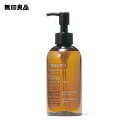
無印良品のハンドソープ
200mLで1000円。ハンドソープとしてはありえない価格なのだが、手を洗うたびにいい香りになるので帰宅が楽しみになった。価格以上に精神衛生にいい影響を与えてくれている。こんなところにも課金する余地があるんだなあ。
仕事
 一定の収入を得られるというのはやはりメンタルにだいぶいい。大学時代は周囲に心配されるほど病みまくっていたが、就職してから格段にメンタルが安定した感じがする。来年もあってほしいし、願わくばもっと収入が欲しい。
Standard Productsのダブルウォールグラス×4
ダブル耐熱ガラスコップ - スリーピーネットストア通販【公式】
引っ越して自宅に人を呼ぶ機会があったが、私物のマグカップで紅茶をお出ししていてばつが悪すぎたのでまとめ買い。ホット対応だし透明で何を入れても映えるので、コーヒーをドリップしたりお酒を飲んだりと大活躍している。紅茶を淹れるときにはティーバッグが横から見えてかっこいい。
中に水が溜まることもなく、食洗機でバンバン洗えるのもありがたい。万一ダメになっても安いから買い足せばいいし。
Anker Soundcore VR P10
BluetoothとUSBドングルの同時接続に対応して、音質も装着感もそこそこ妥協のないイヤホン。ドングルのほうはペアリングが不要だし超低遅延で、有線イヤホンとほぼ同じ感覚で使えるのにケーブルがない!魔法だこれは。現代の魔法だよ。
元々はOculus Questのための製品で、VR用に2年前くらいに購入したものだが、ここにきて仕事用イヤホンとして大活躍している。普段はスマホから音楽を流して、ミーティングの時だけPCにつなぐ…という切り替えが一瞬でできて気持ちいい。「マルチポイントのイヤホンで良くね?」となるかもしれないし、実際Pixel Buds Proを持ってるんだけど、全然違う。あっちもワンタッチでPCに切り替えられるけど、会議が終わってからスマホに戻すのが面倒なんだよな……。VR P10はBluetoothの音を優先する仕様になってて、スマホから音楽かければ必ずそっちが流れることが保証されててノンストレス。この違いはデカい。
埼京線
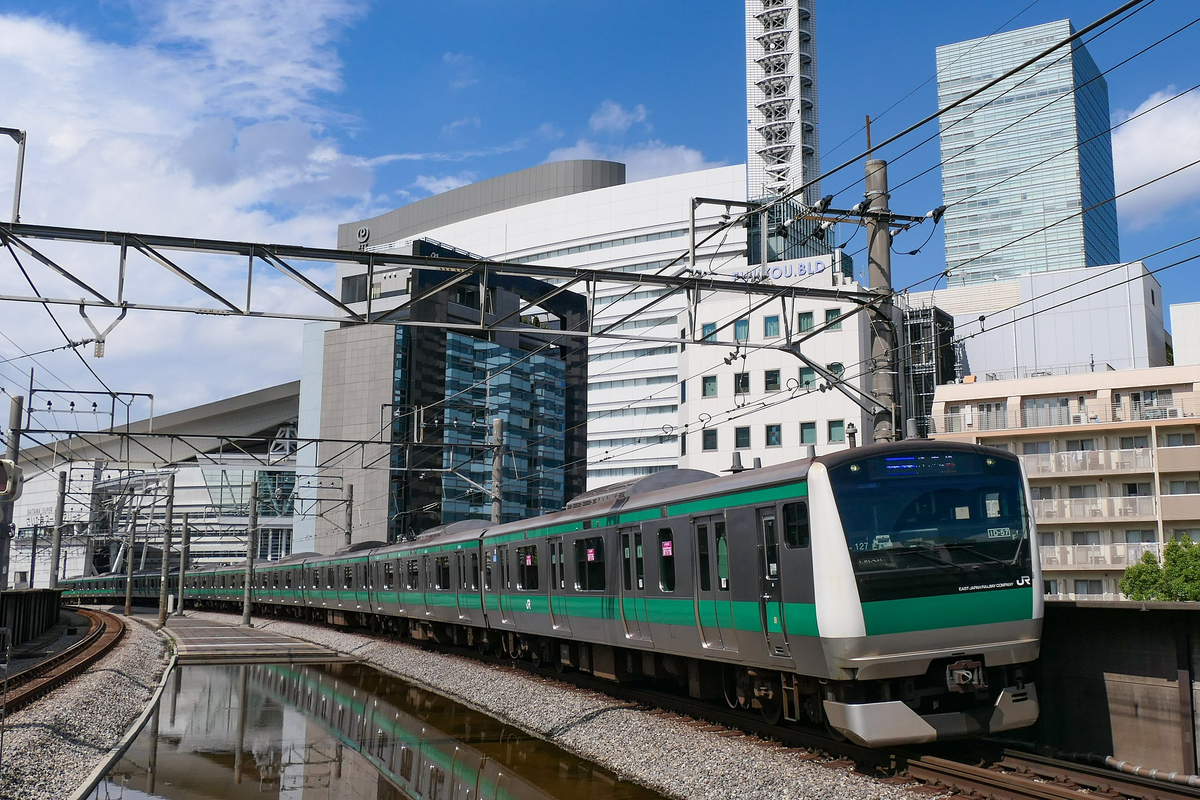 MaedaAkihiko - 投稿者自身による著作物, CC 表示-継承 4.0, https://commons.wikimedia.org/w/index.php?curid=106697701による
池袋・新宿・渋谷が一本で行ける、本当にすごい電車。赤羽まで出れば乗り換えも便利だしいうことなし。りんかい線と接続している電車だと国際展示場まで乗り換えなしなので、イベントごとに参加する時も楽。
プロテインに氷を入れるという、発想
今まで「水でも美味しい」と言われるプロテインをいくつか買ってきたが、やっぱり牛乳で飲んだ方が美味しいし…と思っていた。
ところが、少なめの水で溶かした後に氷を入れたところ味が劇的に改善。プロテインのおいしさは温度で決まるという事実が明らかになった。これで朝にカフェオレ + プロテインを飲んでも牛乳がダブらなくなるし、夜食でプロテインを飲んで脂肪を気にするみたいなことがなくなったのがうれしい。






![プリマハム [冷蔵] らくらくお料理ベーコンスティックタイプ](https://m.media-amazon.com/images/I/51AJ6xCJ-SL._SL500_.jpg "プリマハム [冷蔵] らくらくお料理ベーコンスティックタイプ")

